
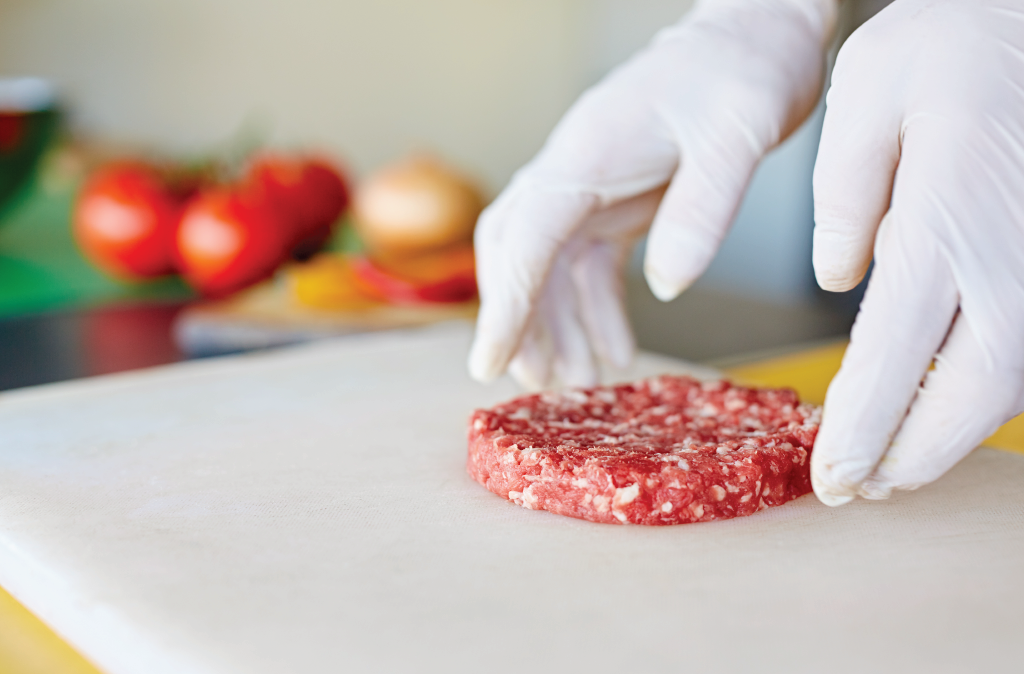
Preventing the contamination of food is essential to running a safe and effective food business, whether it’s the manufacture, supply, preparation or processing of food.
Andrew Routledge, professional chef and writer describes the four recognised principles by which the food industry regulates how it relates to all issues of food safety. They are:
- Buy food from a safe source
- Prevent bacteria from entering food
- Prevent the multiplication of bacteria in food (thawing & temperature)
- Destroy bacteria on food, utensils and work surfaces
Here, we’ll discuss three of the four principles and highlight the importance of a robust cleaning and sanitation program to minimise food hygiene risks.
Buy food from a safe source
No matter how clean or well-run a food handling facility may be, the quality of food handled is only as good as the source it comes from. If the supplier that you buy your food from does not subscribe to good hygiene practices, you could be inadvertently opening your business up to food poisoning risks.
When choosing a food supplier, ask about the systems they have in place to ensure food safety and prevent cross-contamination. Pay close attention to their hygiene, cleaning and pest control schedules and methodologies.
Prevent bacteria from entering food
According to Routledge:
“Keeping bacteria from getting into your food is primarily down to prevention of cross-contamination.”
Knowledge of hygiene standards when handling food is necessary to minimise contamination risk. Effective sanitisers should be made readily available for staff to promote good handwashing habits and all surfaces should be cleaned after use and in between working with raw and cooked food goods. Cloths should also be washed after each usage.
Destroy bacteria on food, utensils and work surfaces
In professional kitchens, it goes without saying that all working areas should be kept as clean as possible. The cleaning chemicals used also plays a key factor in preventing chemical contamination (Read more in Airborne Chemicals Exposed: VOCs & Indoor Air Quality).
In addition to surfaces, all heavy use kitchen equipment should be maintained and cleaned regularly to remove grease, oil and any other substances that could not only contaminate food, but also pose a fire risk, including commercial kitchen canopies.
If you own or operate a food processing facility in South Africa, contact us for a free cleaning or pest control consultation.
Source: The Four Principles of Good Food Hygiene, Andrew Routledge (2006)
0 Comments