
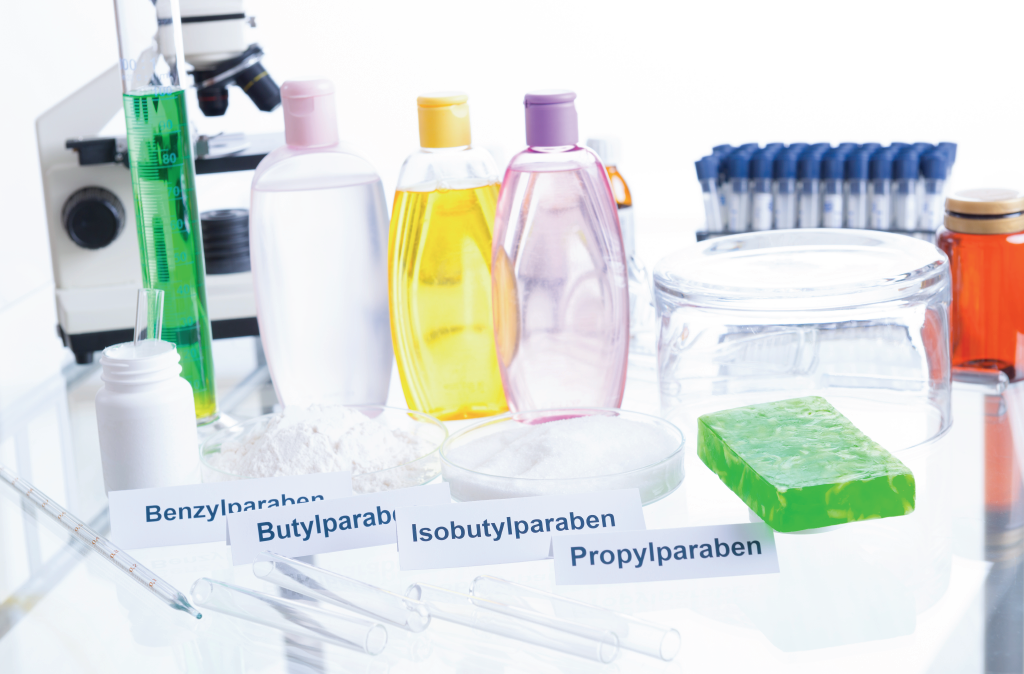
Whether or not you’ve heard of volatile organic compounds (VOCs), they’re affecting the air we breathe in a big way – and the biggest culprits are the cleaning products we use make our homes cleaner and healthier.
Take a look at the infographic below to find out more about VOCs and what you can do to reduce your risk of exposure.
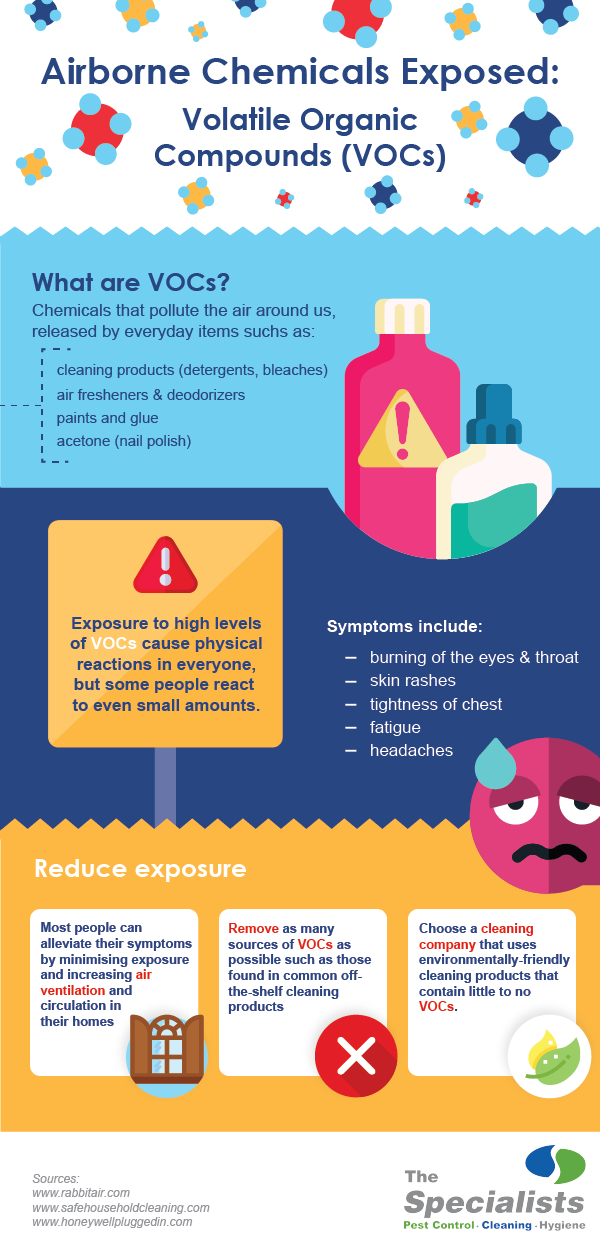
What are VOCs?
Volatile Organic Compounds (VOCs) can be described as any organic chemicals that have a very low boiling point, causing them to evaporate into the air. VOCs are released from burning fuel such as gas, wood, coal or natural gas, but also from many consumer products, including:
- Cleaners and disinfectants
- Dry cleaning fluids
- Air fresheners and deodorizers
- Paints and thinners
- Soap and laundry detergents
…and many, many more. These harmful chemicals enter the body either through inhalation or through skin contact.
What are the risks of VOCS?
Research has shown that irritants and VOCs in cleaning supplies are linked to a range of adverse health effects.
- Long-term damage can lead to illnesses severe as cancer and reduced lung function
- Short term effects include increased asthma, skin conditions and even reproductive problems.
According to Berkeley Lab (indoor Air Quality Scientific Findings Resource Bank):
Cleaning sprays, chlorine bleach, and other disinfectants showed strong associations, although the mechanisms are not yet clear, and may include both specific sensitization and irritant effects.
How can we reduce exposure to VOCs?
It’s extremely tough to eliminate exposure to all VOCs, due to their widespread use in many household products. However, steps can be taken to reduce the risk:
- Open windows and doors to increase ventilation
- Remove as many VOC-containing cleaning products from your home
- Never mix cleaning products. This may inadvertently create harmful VOCs.
- Look for ‘No VOC’ labels on cleaning products
- Choose a cleaning company that uses VOC-free, environmentally-friendly cleaning products
0 Comments