
After drooling over Nigella’s risotto recipe for weeks, a friend decided to conquer her fear of anything vaguely domestic and whip up what she assured us would be a meal worthy of Masterchef. Unfortunately, we never got to taste the infamous dish. The reason? Weevils!
Run-of-the-mill, oh-so-irritating pantry pest problems frustrate homeowners the world over. Whether you’ve got weevils in your Weetbix, or moths in your muesli, get ready to say goodbye to your pantry pest problems once and for all.
The most common pests found in and around dry foodstuffs are grain weevils and Indian meal moths.
If you’ve ever opened a packet of pasta, hoping for a quick solution to the cries of “What’s for supper mom?”, and found yourself face to face with teeny-tiny, wriggling weevils or meal moth larvae, you’ll know how disconcerting this discovery can be. While both of these pantry pest problem culprits pose no threat to humans, they’re an unwelcome nuisance.
Keeping your pantry clean at all times, along with storing foodstuff in tightly sealed containers is your first step to conquering any pantry pest problem.
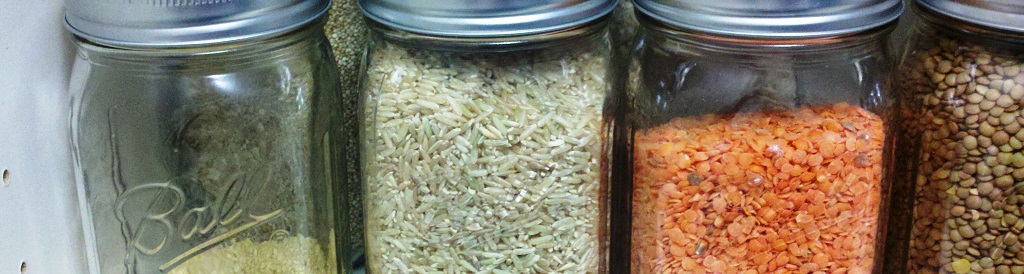
The majority of pantry pests find themselves in your food after being brought home in already-infested flour, rice, pasta or cereal. Once they’re introduced to the veritable buffet that is your pantry or bread bin, they make their homes in the rest of your dry food. The best way to avoid an infestation is to store all dry foods in airtight containers. Mason jars or Tupperware are ideal. This will avoid any cross-contamination, which is how pantry pest problems arise in the first place.
A couple of strategically placed bay leaves can keep a whole host of unwanted pests away.
All manner of pests, from beetles, flies, moths, cockroaches and ants are repelled by the pungent smell of bay leaves. Keep creepy-crawlies at bay by placing one or two bay leaves inside any dry foodstuff containers. If you’re worried about the bay leaf interfering with the flavor of the food, simply tape it to the inside of the lid.
If an infestation persists, destroy all infested products and consult a pest control specialist.
Some pantry pest problems require a ‘take no prisoners’ approach. If you’re still sharing your pantry with pesky pests, it’s best to get rid of all infested foods – or return them to the retailer where they were purchased. It’s then advisable to contact a reputable pest control company, who’ll treat the problematic areas with a safe and effective residual insecticide.
[hs_action id=”1098″]
Image Credit: Vegology Blog

0 Comments