
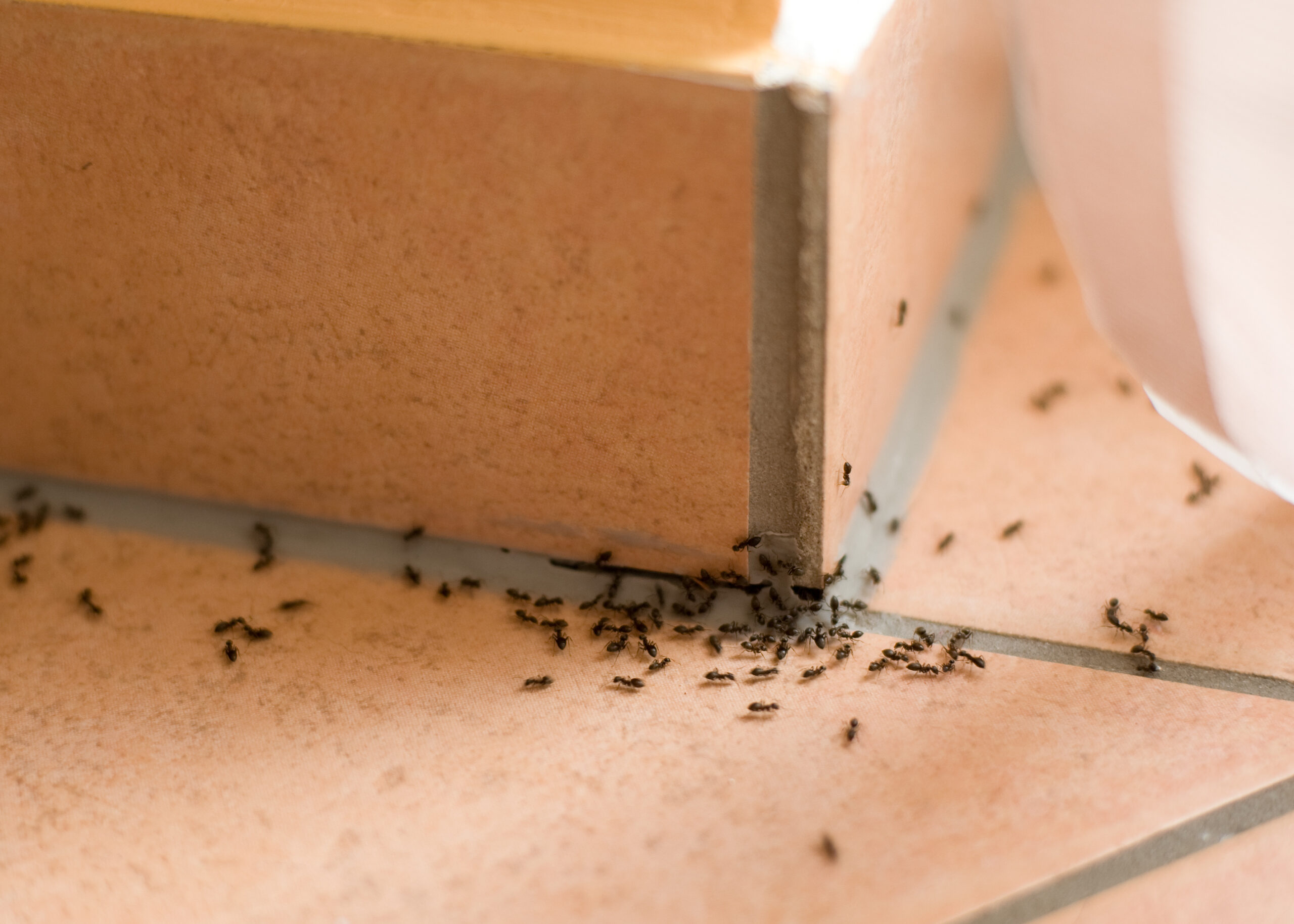
This checklist is a comprehensive guide to help you protect your home from pests, covering everything from A to Z.
A – Ants & Aphids: Seal cracks in foundations and around windows. Use a mixture of soapy water on plants to deter aphids.
B – Boundary wall: Check for ants, termites, rodents, cockroaches, spiders, wasps and nesting birds.
C – Cockroaches & Cracks: Seal all cracks and crevices in walls, floors and countertops. Keep all food in airtight containers.
D – Drains: Cover all drains and inspect pipes for leaks, especially in kitchens and bathrooms.
E – Exclusion: The most effective form of pest control. Seal every potential entry point, no matter how small.
F – Food Storage: Store all food, including pet food, in sealed, heavy-duty containers.
G – Gutters: Clean gutters and downspouts to prevent water from pooling, which is a breeding ground for mosquitoes.
H – Houseplants: Inspect houseplants for pests before bringing them indoors, and don’t overwater them.
I – Inspection: Regularly inspect your home for signs of pests, such as droppings, gnaw marks, or nests.
J – Junk Piles: Get rid of junk piles in and around your home, as they provide shelter for rodents and insects.
K – Kitchen: Deep clean your kitchen. Wipe up all crumbs and spills, and clean under appliances.
L – Landscaping: Trim back shrubs and tree branches away from your house.
M – Mosquitoes: Eliminate all standing water from your yard.
N – Nests: Remove any visible wasp, bee, or termite nests from your property.
O – Outdoors: Keep your yard tidy by mowing the lawn, raking leaves, and picking up garbage.
P – Pantry: Keep your pantry organised and clean. Check expiration dates and throw out old food.
Q – Quick action: Don’t delay. The moment you see a pest, take action to prevent an infestation.
R – Rodents: Use traps or bait stations, and seal all holes in walls or the foundation.
S – Screens: Repair or replace all damaged window and door screens.
T – Termites: Look for signs of termites, such as mud tubes on your foundation, and get a professional inspection.
U – Underneath: Check underneath sinks and appliances for leaks or signs of pests.
V – Ventilation: Ensure your ceiling space is well-ventilated and dry to prevent pests.
W – Wasps & Weeds: Remove weeds from your garden, which can attract pests.
X – Xylophagous pests: This is the scientific name for wood-eating pests like termites. Be on the lookout for them.
Y – Yard Waste: Regularly dispose of yard waste and do not let it accumulate near your house.
Z – Zzzzz: Use repellents or mosquito nets to ensure a peaceful night’s sleep without buzzing pests.

0 Comments