
World Water Day, on 22 March every year, is about focusing attention on the importance of water. The theme for World Water Day 2018 is ‘Nature for Water’ – exploring nature-based solutions to the water challenges we face in the 21st century. (worldwaterday.org)
In light of this occasion, and with South Africa’s water crisis looming heavily on the country, we thought we’d put our own spin on World Water Day by sharing some tips on how we can better conserve water in our everyday cleaning activities.
The typical household in South African uses about 250 litres of water a day (Aquarista). Consider how much of that is spent opening and closing the tap. Indeed, cleaning can use up a lot of water if we aren’t conscious about how we do it.
Avoid Running the Tap Continuously
How many times a day do you open the tap to rinse a dish, or wet your cleaning cloth, or rinse off fruits and vegetables, or wash your hands? More than twice? More than 10 times? Every time you open the tap, only a small amount gets used, while the rest goes down the drain, especially if you have to wait for the water to warm up.
To reduce the amount of the time that your tap runs throughout the day, start off by filling a bucket with the amount of water you need and use only the water inside to clean.
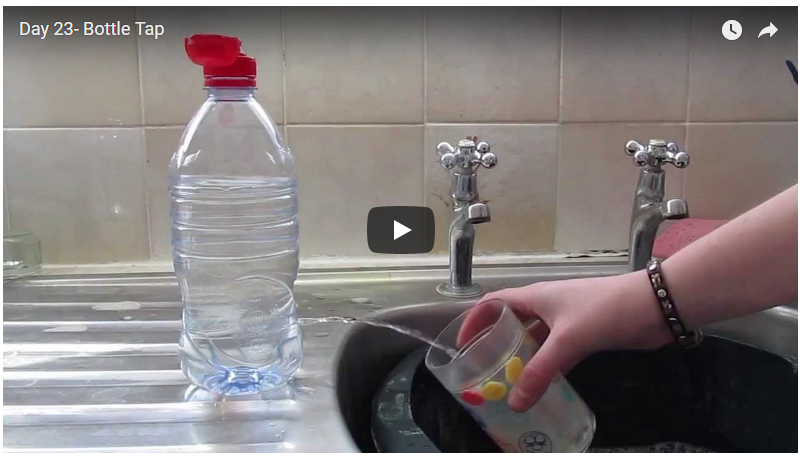
Another quick and easy way to use less water is by turning a water bottle into a tap as demonstrated in this video which was posted on YouTube.
Re-use Water
Expanding on the point above, instead of throwing the bucket water out at the end of the day, rather use it for something else. Whether it be watering the garden, mopping the floors, washing the windows or flushing the toilet – re-use water where you can.
Any waste water you can collect from baths, sinks, washing machines, and other kitchen appliances (otherwise known as grey water) is more than clean enough for certain cleaning jobs.
Use Smarter Cleaning Methods
In this day and age, technology has come pretty far, even when it comes to cleaning. Instead of handwashing dishes or our clothes, we now have dishwashers and washing machines, most of which come with an Eco-wash setting that uses less energy and less water.
Another method that saves water while cleaning is dry carpet cleaning which uses considerably less water than conventional carpet cleaners and also allows for reduced drying time.
Use Biodegradable Cleaning Products
Another way to reduce your water consumption is by using eco-friendly, biodegradable cleaners. These cleaners generally don’t contain foaming agents and harmful chemicals, which means there’s no need to wash foam or residue off surfaces when you’re done cleaning.
Take a look at our range of green cleaning products
Keep Cleaning Regularly
When you keep up your regular cleaning schedule, you’ll find that you use less water than if you were to leave dirt to build up over a few months. This goes for windows, showers and appliances, as well as carpets and upholstery – be sure to clean spills as soon as they happen and vacuum frequently to save yourself from having to shampoo your carpets often.
For a professional, environmental clean using environmentally friendly cleaning products and methods, get in touch with The Specialists for a quote.

0 Comments