
Malaria Day is an annual awareness campaign with the aim of shedding some light on the preventable and curable disease that still kills hundreds of thousands of people in Africa and globally every year.
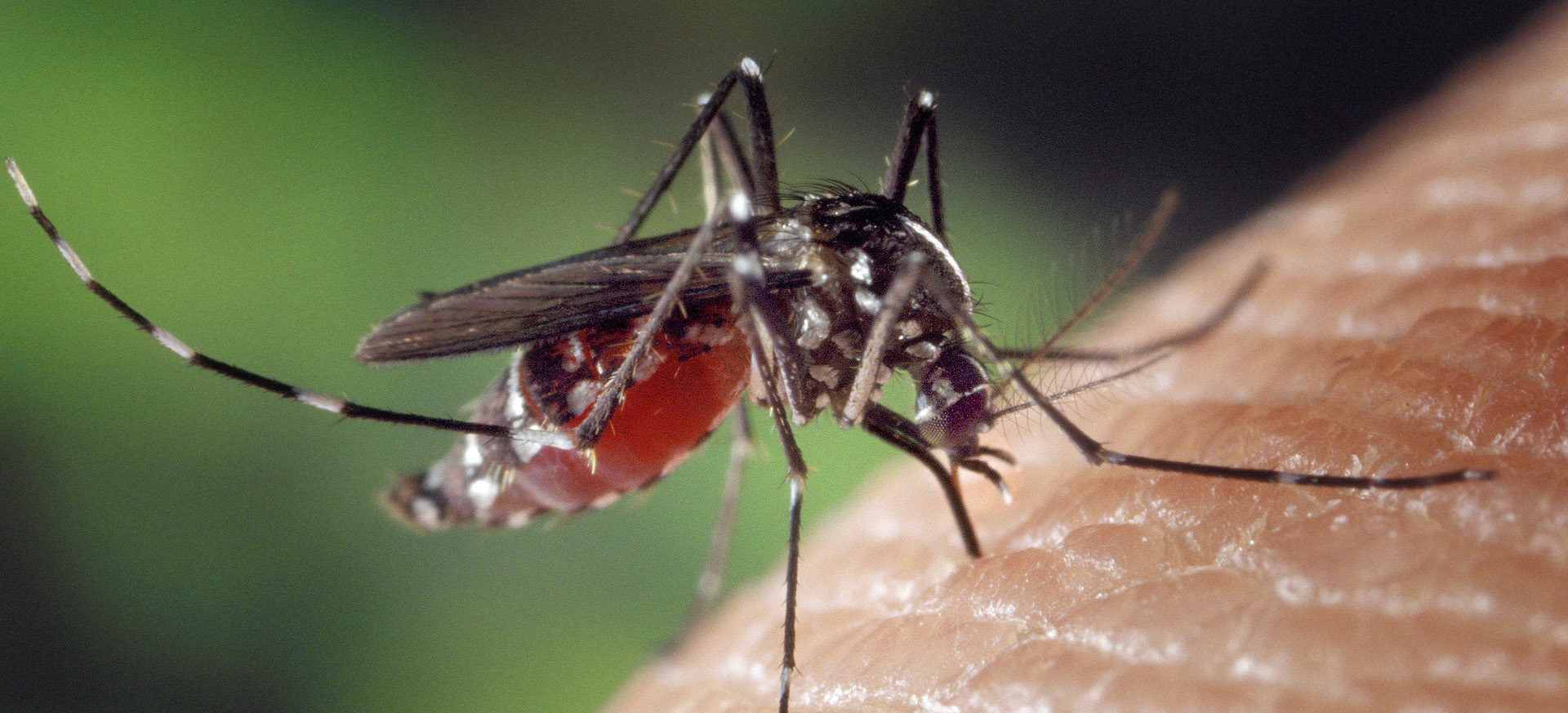
To aid in the ongoing malaria prevention education effort, we thought we’d get up close and personal with the pest that’s responsible for spreading one of the world’s deadliest diseases.
- There are more than 2 500 varieties of mosquito that originate in all areas of the globe, from the Arctic tundra to tropical rain forests. (Discover Magazine)
- Malaria-causing parasites are spread to people through the bites of infected female Anopheles mosquitoes, called “malaria vectors” (WHO)
- Mosquitoes are responsible for around 725 000 deaths every year, making it the deadliest animal in the world. (Mosquito Buzz)
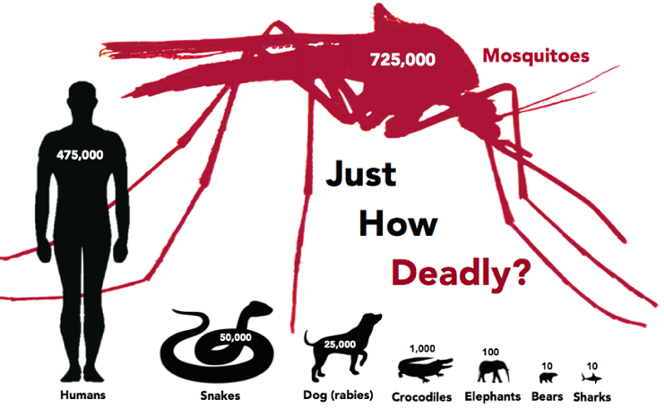
Image Source: Mosquito Buzz
- Sub-Saharan Africa carries a disproportionately high share of the global malaria burden. In 2015, the region was home to 89% of malaria cases and 91% of malaria deaths. (South African Government)
- Mosquitoes are attracted to the carbon dioxide, lactic acid and octenol found in our breath and sweat, and they also sense the heat and humidity that surrounds our bodies. (Smithsonian Magazine)
- The red bump and itching caused by a mosquito bit is actually and allergic reaction (National Geographic)
- A single malarial mosquito can infect more than 100 people; and according to the World Health Organisation, malaria kills a child every 45 seconds in Africa. (MNN)
- Mosquitoes feed on blood not for their own nutrition but as a source of protein for their eggs. (Express)
- In addition to malaria, other mosquito-borne diseases include Zika virus, West Nile virus, Chikungunya virus, and dengue. (CDC)
- Pregnant women are twice as attractive to malaria-carrying mosquitoes as non-pregnant women. (NCBI)
Click here to learn more about our Mosquito Control Treatment services

0 Comments