
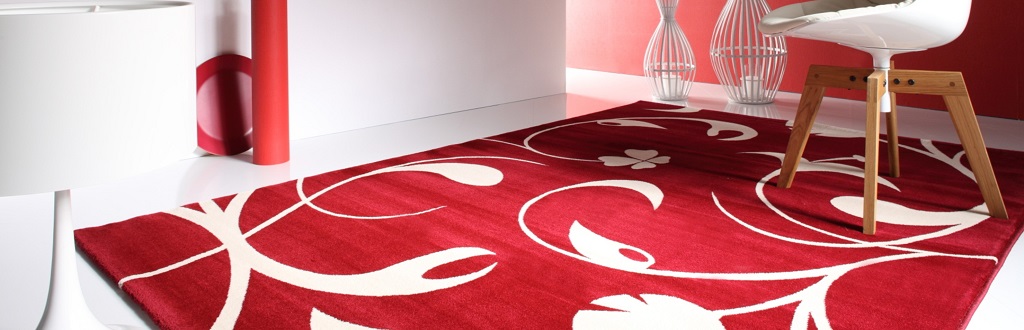
Shag carpets, kelims, rugs and runners – people have been using carpets to turn their houses into homes since the dawn of time. Whatever your preference, caring for your carpets is essential. Besides extending their life span, regular maintenance and upkeep also safeguards you and your family from being exposed to bed bugs and dust mites.
Carpet cleaning can seem overwhelming, and with a variety of options on the market, it’s difficult to choose the best solution for your needs. If you’re wondering where to start, we’ve compiled an overview of the two main carpet cleaning methods, each with their own advantages.
Wet extraction results in a thorough, ‘deep clean’ of carpets that house stubborn dirt and stains.
The process entails several stages, each as important as the next. The carpet is first vacuumed in order to get rid of surface dirt, after which stubborn spots are treated. The most common stains are from red wine, ink, urine from pets, coffee, tea and oil-based substances like lipstick or paint. After the stains have been removed, the entire area is shampooed. Once clean, a blower is used to dry the carpet and prevent damage from lasting damp, as well as odour.
The only downside to the wet extraction method is that it requires a fair amount of downtime. Many carpet cleaning services wrongly punt the wet extraction method as ‘steam cleaning’. Unfortunately, many companies merely use hot water. Beware of using sub-standard service providers, as some types of carpets aren’t able to be cleaned with hot water.
The newest technology in carpet maintenance is dry carpet cleaning.
The dry carpet cleaning method is generally used for the maintenance of carpets, and is more often than not, used in conjunction with the wet extraction method. The process entails the use of a dry chemical, which work as sponges. This attracts and then bonds with dirt and grime, lifting it to the surface of the carpet.
The area is first vacuumed, in order to lift surface dirt such as dust, pet hair and pollen. Stains are then treated and removed, after which the sponge is applied and brushed into the carpet. After ten to fifteen minutes, the active ingredients of the sponge evaporates. Finally, the carpet is vacuumed to remove any remnants of the sponge.
The type of carpet, as well as the environment, will dictate the type of carpet cleaning that’s suitable to you.
Both the type of carpets that you’ve chosen for your home or office, as well as the amount of traffic –or if you’re a commercial outfit, like a casino or hotel, the downtime you can afford – will indicate the carpet cleaning method that’s best.
If you have a gorgeous Persian carpet, a kelim or a carpet that’s 100% wool, try avoid wet extraction. These types of carpets should not be soaked or immersed in water as the colour tends to run. We suggest chatting to a carpet cleaning professional before undertaking to clean these types of carpets. In addition, it’s recommended that a HEPA filter vacuum cleaner is used, which uses ‘beater’ brushes that re-invigorate old or dull carpets. The dry extraction method is also preferable in areas like hotels or offices, where downtime should be minimized.
Wet carpet cleaning is preferable for homeowners, as downtime isn’t usually a problem. If you’ve got older carpets that are looking the worse for wear, a deep clean will give them a new lease on life.
The amount of foot traffic that your carpet is exposed to will determine the frequency of cleaning.
If there’s high foot traffic, like in a doctor’s waiting rooms or restaurant, deep cleaning is preferable. Ideally, this should be conducted monthly or at a stretch, every three months. A deep clean should be done in addition to a maintenance program which entails both wet and dry carpet cleaning methods. For carpets that are subjected to low foot traffic, for example, in a home or holiday house, bi-annual cleaning will suffice.
That said, each situation is unique, so it’s advisable to get a reputable carpet cleaning service in to assess the state of your carpets. If you want to ensure that you get the best service possible, we’re able to advise you on the type of method suitable, as well as quote you on a carpet maintenance plan that suits your carpets and your budget.
[hs_action id=”938″]
Image Credit: My Carpet Models

0 Comments