
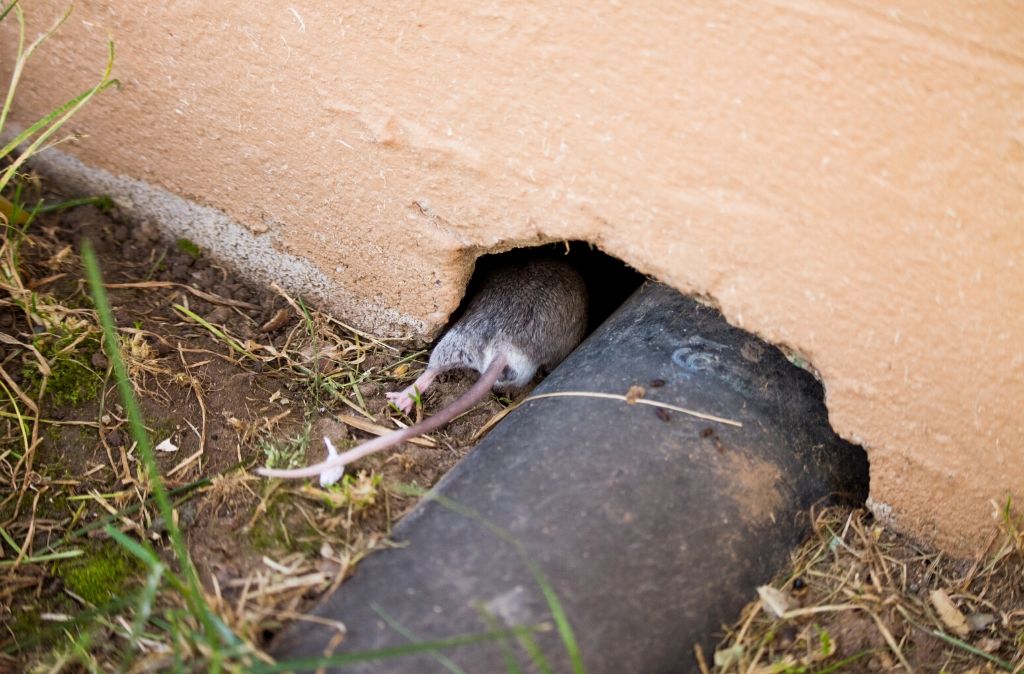
Facility managers are given the mammoth task of protecting facilities from risk. This includes keeping properties pest-free and compliant with hygiene standards. If they don’t, the ramifications of unsanitary conditions and disease-carrying pests could be disastrous, both financially and in terms of the brand’s reputation.
Food processing and storage facilities in particular face many pest control challenges, as they create highly attractive conditions for pests like rodents, cockroaches and flies to proliferate.
Read our article to learn more about the 4 Pests Found in Food Manufacturing Facilities
In this article, we list some of the hidden places in your facility that could offer a haven for pests to enter and thrive within.
Pumping Stations
Larger buildings have in-plant pumping systems connected to municipal sewer systems which are often concealed in basements or in-ground. Not only do these areas create an entry point for pests to relocate from sewers via the water trap, but the combination of dark humid space and moisture create the perfect hidden home for rodents, cockroaches and other pests to live in.
Ductwork
Ducting for ventilations systems and air conditioning may provide healthy air for the building, but pests often see these labyrinths as a highway through which they can travel around the building. In addition, when the insulation around the ductwork is damaged, condensation can occur, providing a handy water source for pests.
Storage Closets
Every building has them – small, cluttered rooms that house everything from boxes to old electrical equipment. While this may seem like a great way to store anything that doesn’t have a place anywhere else in the building, it also offers everything a growing pest family needs – food, water, comfortable temperatures, nesting materials and security.
Slab Joints & Cracks
Most pests can fit through the smallest of cracks, making anywhere in your building where cracks have formed around slab or contraction joints another way for pests to get in and out of your building.
Receiving Docks
In any facility that has fitted adjustable steel dock plates or ramps to allow the loading and unloading of trucks, brushes or other closure devices should be installed otherwise rodents and insects could potentially make a home in the large mechanical area or the void beneath the ramp plate where spillage and moisture provides the essentials needed for them to survive.
Drains
In-floor drains, if not cleared and cleaned regularly, can become a filth trap where food particles, grease, dirt and other organic material can accumulate. This provides ideal conditions for flies to breed and lay eggs.
Identify the pest risk areas in your facility. Contact The Specialists for a pest control survey

0 Comments